Does Charcoal Soap Work for Oily Skin? What Activated Carbon Actually Does to Your Face
If you have oily or combination skin, you’ve probably been told that you need strong cleansers to strip away the excess oil. I believed that for years. I used foaming washes, clay masks, and alcohol-based toners — and my skin just got oilier in response. It turns out, stripping your skin of its natural oils triggers it to produce even more to compensate.
When I first heard about activated charcoal soap, I was skeptical. It sounded like another trend. But after learning how it actually works — and more importantly, what it can and can’t do — I realized it’s one of the few popular skincare ingredients where the logic actually holds up. So let me walk you through what I found.
How Does Activated Charcoal Work on Oily Skin?
Activated charcoal is made by heating carbon-rich materials — like coconut shells, bamboo, or wood — to extremely high temperatures in a controlled environment. This process creates a highly porous structure with a massive surface area. Just one gram of activated charcoal can have a surface area of over 1,000 square meters.
When you wash your face with charcoal soap, those tiny pores act like a sponge. They trap excess sebum, dirt, and other impurities through a process called adsorption (not absorption — the impurities stick to the surface of the charcoal rather than being soaked into it). When you rinse, the charcoal and everything stuck to it goes down the drain.
This isn’t speculation — it’s established physical chemistry. Activated charcoal is used in medicine for poison treatment and in water filtration for the same reason: its porous structure is exceptionally good at trapping unwanted substances. The same principle applies when it’s on your skin for the short time you’re washing.
However — and this is important — the effect is temporary. Once you rinse off the soap, the charcoal is gone. It doesn’t continue working throughout the day. What it does do is remove surface oil more effectively than a non-charcoal cleanser, leaving your skin feeling cleaner without the need for harsh chemical detergents.
What Does the Science Say About Charcoal for Acne and Oil Control?
I want to be straightforward with you: the clinical research on activated charcoal for skincare is still limited. A 2021 review in the International Journal of Community Medicine and Public Health noted that there is little clinical evidence from rigorous trials to support many of the marketing claims made about charcoal skincare products.
But limited evidence doesn’t mean no evidence. Here’s what we have so far:
Can Charcoal Help Control Facial Oil?
A 2023 study published in Skin Research & Technology tested a clay mask containing activated charcoal along with other ingredients and found significant results: after four weeks of use, participants saw a 29.9% reduction in skin oiliness, along with a 46% reduction in closed comedones and a 65% reduction in open comedones. Importantly, skin hydration actually increased by nearly 30% — suggesting that when formulated correctly, charcoal-based products can clean oily skin without drying it out.
“After four weeks, participants saw a 29.9% reduction in skin oiliness — along with a 46% reduction in closed comedones and improved skin hydration.”
Is Charcoal Antibacterial Against Acne Bacteria?
Research on activated bamboo charcoal as a carrier for anti-acne ingredients has shown promising results. While the charcoal itself wasn’t the primary antibacterial agent in this study, its ability to absorb excess oil (which acne bacteria feed on) and carry active ingredients onto the skin makes it a useful supporting player in acne management.
The Honest Take
Most dermatologists agree that activated charcoal is generally safe for topical use, but its benefits for acne and oil control are based more on its physical properties and anecdotal evidence than on large-scale clinical trials. That doesn’t mean it doesn’t work — it means the research hasn’t caught up to the popularity yet. What we do know is that charcoal’s adsorptive capacity is real, and many people with oily skin find it genuinely helpful.
Can Charcoal Soap Be Too Drying for Oily Skin?
This is the most common concern I hear, and it’s a valid one. Charcoal soap can be drying — but the issue is usually not the charcoal itself. It’s what else is in the soap.
Many commercial charcoal soaps are made with cheap base ingredients that are already stripping — like sodium lauryl sulfate (SLS) or other harsh surfactants. The charcoal is just added for marketing. In those bars, your skin is being stripped by the detergent base, not the charcoal.
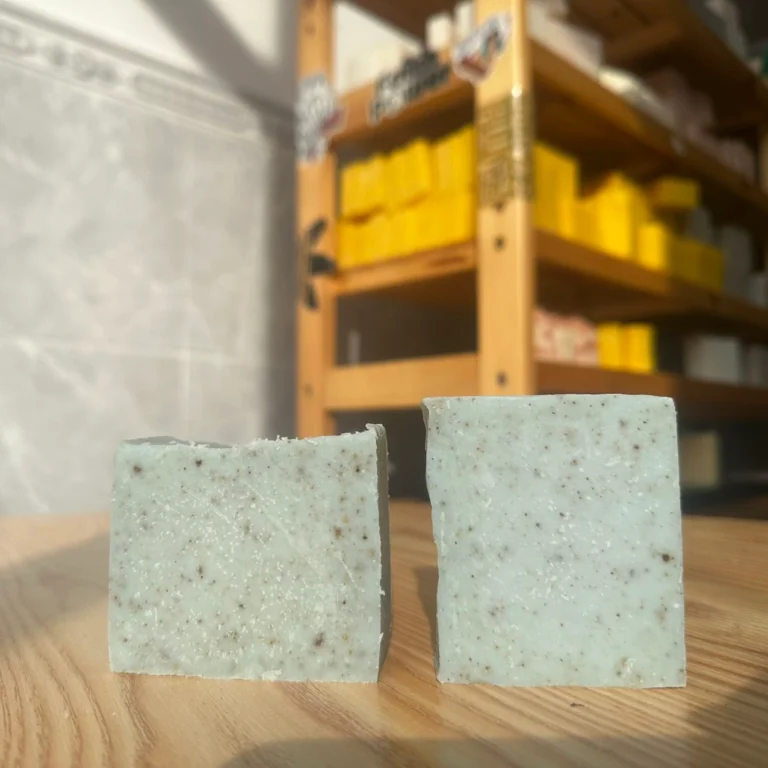
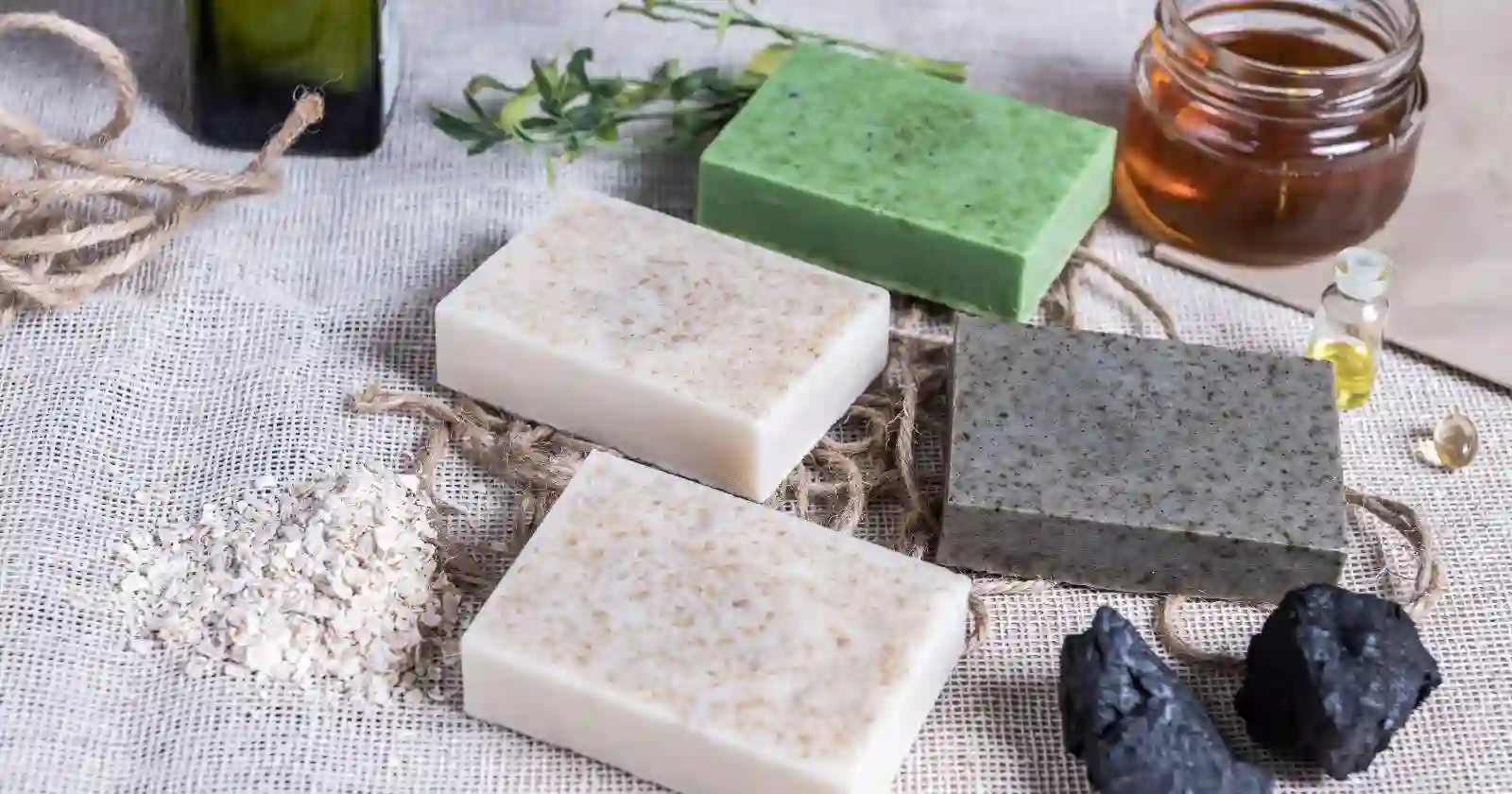
A well-made cold-process charcoal soap is different. The saponified oils — like olive oil, coconut oil, and shea butter — provide natural moisturizing properties that balance the charcoal’s cleansing power. Our activated charcoal oatmeal soap, for example, combines activated charcoal with finely ground oatmeal, which adds gentle physical exfoliation and soothing properties for irritated skin.
If you have oily skin, you can use charcoal soap daily — but pay attention to how your skin responds. Start with once a day (evening is best) and a good moisturizer afterward. If your skin feels tight or dry, scale back to every other day or use it only on your T-zone.
What Should You Look for in a Good Charcoal Soap?
Not all charcoal soaps are created equal. Here’s what to check before buying:
- Check the ingredient list. The charcoal should come from a recognizable source (coconut shell, bamboo, or wood). Avoid soaps where charcoal is listed near the bottom of the ingredients — it means there’s barely any in there.
- Look for whole soap bases, not detergents. Cold-process soap made from oils will be far gentler than “beauty bars” or “syndet” bars that use synthetic surfactants.
- Moisturizing additions matter. Oatmeal, shea butter, and olive oil all help counterbalance charcoal’s absorbency so you get clean without stripping.
- No synthetic fragrances. Your skin doesn’t need artificial perfumes, especially if you’re already dealing with oiliness or breakouts.
- Know your skin type. If you’re unsure whether charcoal soap is right for you, our guide to choosing natural soap for your skin type covers the full breakdown for oily, dry, sensitive, and combination skin.
The Bottom Line: Is Charcoal Soap Worth It for Oily Skin?
In my experience — both personal and from feedback I’ve received — charcoal soap can be genuinely helpful for oily and combination skin. Not because it’s a miracle ingredient, but because it does one thing well: it removes excess surface oil and impurities without the need for harsh chemical detergents.
Is it the most scientifically-proven skincare ingredient out there? No. The clinical research hasn’t caught up yet, and I think it’s important to be honest about that. But the physical chemistry behind adsorption is well-established, and many people (myself included) find it works for them.
The key is using a well-made bar with complementary ingredients — like oatmeal for soothing, shea butter for moisture, and a cold-process base that cleanses without stripping. In that context, charcoal isn’t a trend. It’s a genuinely useful tool for people with oily skin who want something that works with their skin, not against it.
For more on building a skincare routine with natural products, you might want to read about why natural soap is different from commercial cleansers — it explains the philosophy behind everything I make.