7 Harmful Ingredients Hiding in Your Body Wash — And What to Use Instead
Before I started making soap, I was just someone standing in a drugstore aisle, picking up whatever bottle looked nice.
I’d buy things because they smelled good, or because the packaging said “natural” or “hydrating” in soft green letters. I never once turned the bottle around to check what was inside.
Then one night I did. And I couldn’t pronounce a single thing on the list.
I spent weeks reading whatever I could find — EWG reports, MADE SAFE guides, ingredient studies. And I learned something that changed everything: most body washes are not designed for your skin. They’re designed to foam well, smell good for five minutes, and sit on a shelf for two years without going bad. Your skin is somewhere down the list, after manufacturing costs and profit margins.
I’m not here to scare you. I’m just here to tell you what I found — and why I started making my own soap because of it.
The Sulfates That Strip You
The first thing I learned about was sodium lauryl sulfate — SLS, and its cousin SLES. They’re what make your body wash foam into that rich, satisfying lather.
Here’s the problem: they’re really good at stripping things. Too good. They strip the natural oils your skin barrier needs to stay healthy.
If you’ve ever stepped out of the shower and felt like your skin was tight, pulling, or dry within minutes — sulfates are probably why. For people with eczema or rosacea, they can be a real trigger.
The frustrating part? Your body wash doesn’t need sulfates to clean you. It just needs them to foam. And foam has nothing to do with how clean you get. It’s just a trick — one that leaves your skin paying the price.
The Fragrance That’s Hiding Something
This one bothered me the most.
I used to love the way my body wash smelled. I thought that scent was part of taking care of myself — a little luxury in an otherwise ordinary day.
But “fragrance” on a label isn’t one thing. It can be a blend of fifty, a hundred, even two hundred different chemicals — and companies don’t have to tell you what they are. Trade secrets, they call it.
The problem? Fragrance is the most common cause of allergic contact dermatitis. And in many cases, those undisclosed blends include phthalates — which brings me to the next one.
The Hormone Disruptors You Can’t See
Phthalates are a group of chemicals that help fragrances last longer. They’re also used to soften plastics. The fact that the same thing in your shower is also in a PVC pipe should give you pause.
What they do inside your body is more concerning. Phthalates are endocrine disruptors — they interfere with how your hormones work. The American Academy of Pediatrics recommends avoiding them in personal care products, especially for children.
And they’re nearly impossible to spot, because they don’t have to be listed. They just hide under that word “fragrance.”
This was the one that made me angry. I can accept “this might dry my skin.” I can’t accept “this might mess with my hormones and I’ll never know.”
The Preservatives That Pretend
Parabens are preservatives. They keep bacteria from growing in your body wash, which is a legitimate job. The problem is what they do once they’re on your skin: they can mimic estrogen, disrupting your body’s natural hormone balance.
Studies have found parabens in breast tumor tissue. The science isn’t settled on whether they cause harm at the levels found in body washes, but the European Union has restricted them as a precaution. In the US, they’re still everywhere.
The frustrating truth? Safer alternatives exist — things like potassium sorbate or vitamin E. But they cost more. So companies stick with parabens, because they’re cheap and they work. Your health is someone else’s cost savings.
The Hidden Contaminants
Then there are PEGs — polyethylene glycols. They’re used as thickeners, to make your body wash feel creamy and luxurious. But here’s what nobody tells you: during manufacturing, PEGs can be contaminated with 1,4-dioxane and ethylene oxide. Both are classified as carcinogens.
You won’t find 1,4-dioxane on any label. It’s a byproduct, not an ingredient. But it’s there because of how the ingredients are processed.
The easiest way to spot PEGs? Look for “-eth” at the end of an ingredient — sodium laureth sulfate, steareth-20, oleth-10. If you see that, the potential contamination is already built in.
The Antibacterial That Backfired
Triclosan was supposed to make things cleaner. It’s an antibacterial agent added to body washes that market themselves as “germ-killing.”
Except it’s classified as a pesticide by the EPA. It disrupts thyroid function. It contributes to antibiotic resistance. And it causes dermatitis in some people.
The FDA banned it from hand soaps in 2016. But it still shows up in body washes. So check your bottle — especially if it says “antibacterial” on the front.
The Formaldehyde You Didn’t Order
And finally, there’s DMDM hydantoin. It’s a preservative that slowly releases small amounts of formaldehyde over time. Yes — formaldehyde, the same thing used in embalming fluid.
For most people, the amount is small enough not to cause immediate problems. But if you have sensitive skin that’s always been easily irritated, this could be the thing you’ve been chasing. The silent trigger that makes you think “my skin is just sensitive.”
DMDM hydantoin doesn’t always show up under that name. It can also be listed as quaternium-15, diazolidinyl urea, or imidazolidinyl urea.
What I Changed
After I learned all of this, I looked at the bottles in my bathroom differently. What I thought was self-care — the pretty packaging, the spa-like scents, the thick creamy lather — was actually a daily dose of things I’d never knowingly put on my skin.
So I did something I never thought I’d do. I threw them out.
Not all at once. But one by one, as they ran out, I replaced them with something I made myself.
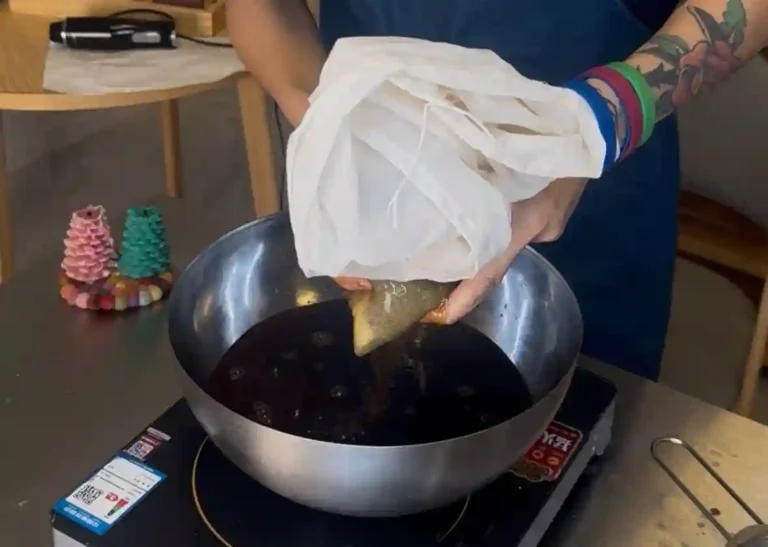
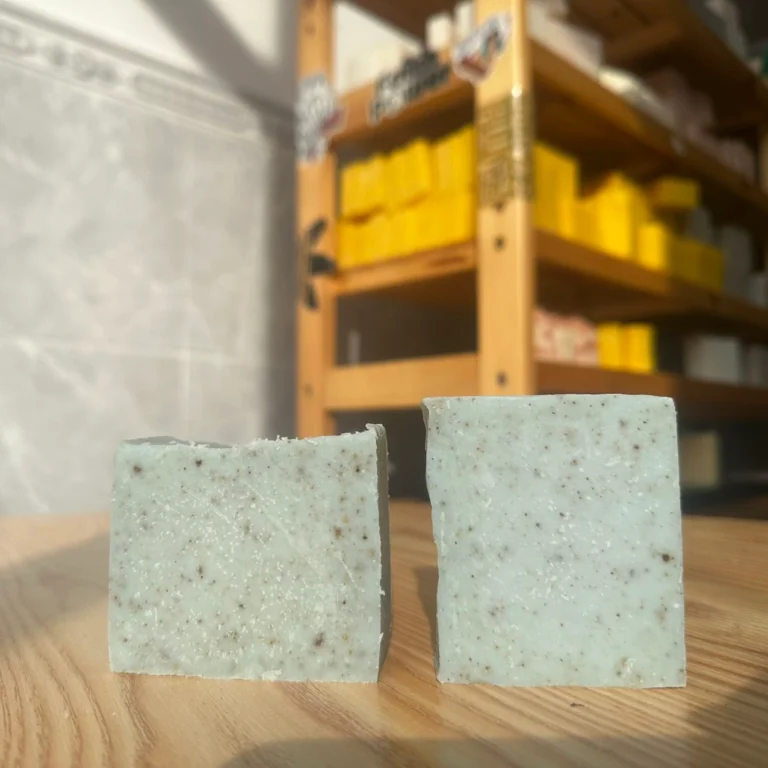
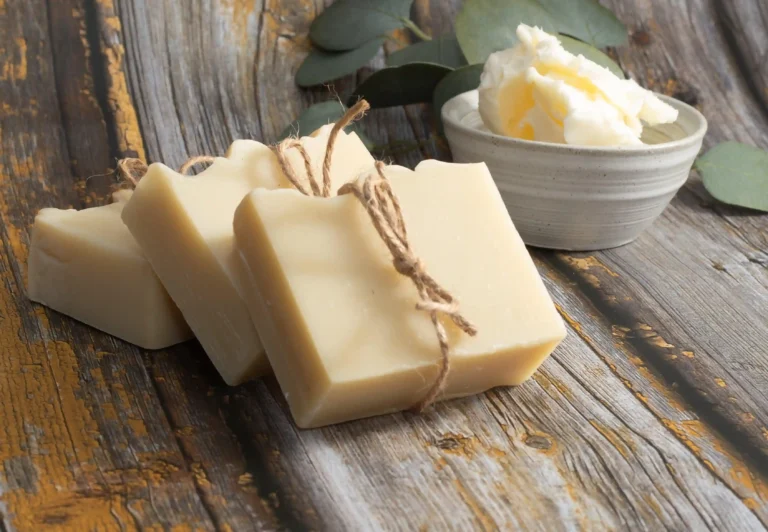
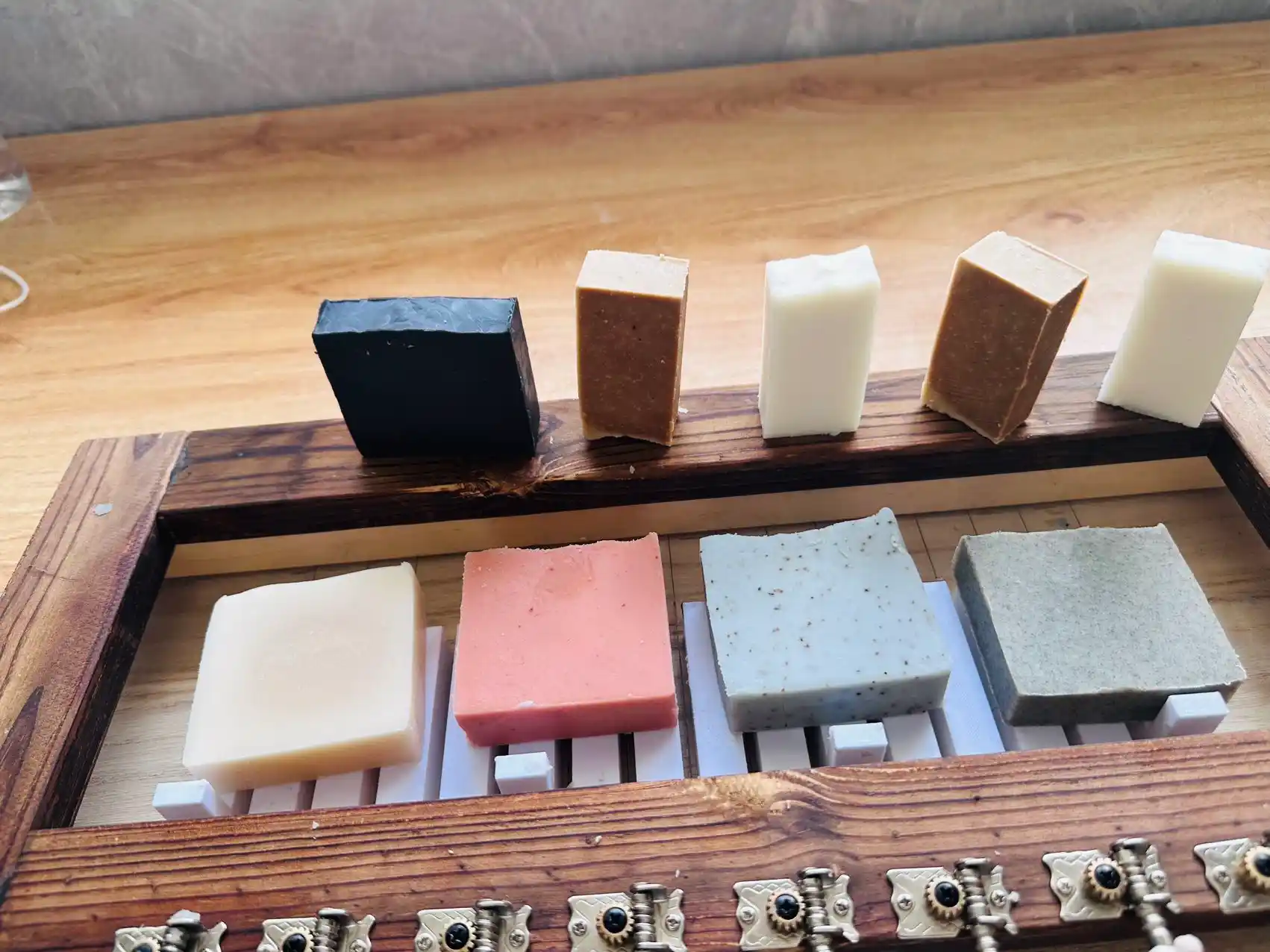
That’s what led me to making cold-process soap in my little mountain studio. The kind made the old way, before chemistry sets took over the bathroom.
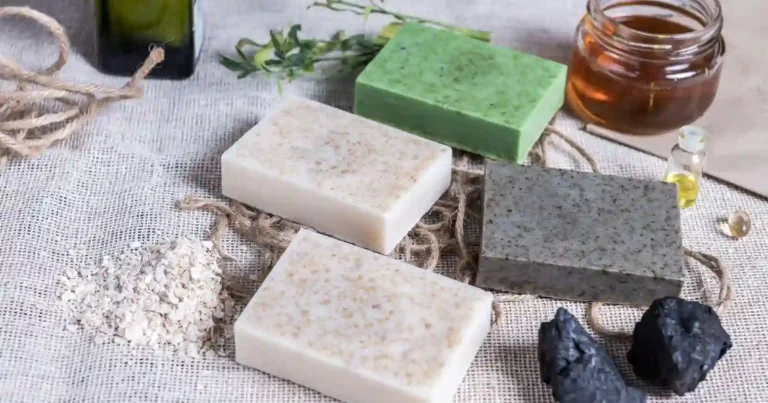
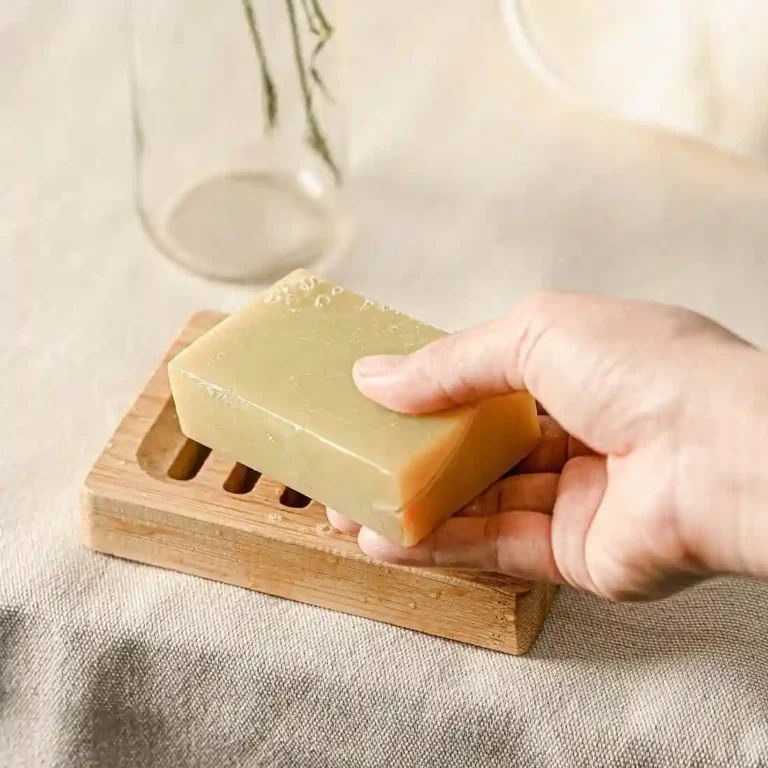
Here’s what I love about it: real soap only needs a few things. Oils — olive, coconut, shea, soybean — plus lye. That’s it. The soap-making process creates glycerin naturally, which means your skin gets moisturized while it gets clean. No sulfates needed to make it foam. No parabens needed to keep it from spoiling. No hidden fragrance blends.
And it lasts longer. A good bar of soap, kept dry between uses, goes further than any plastic bottle.
Every bar I make starts with the same intention — ingredients you can actually recognize, made slowly and patiently in my little studio here in the mountains of Yunnan. That’s why I started yiyihandmade: I was looking for something that felt like care, not chemistry. So I decided to make it myself.
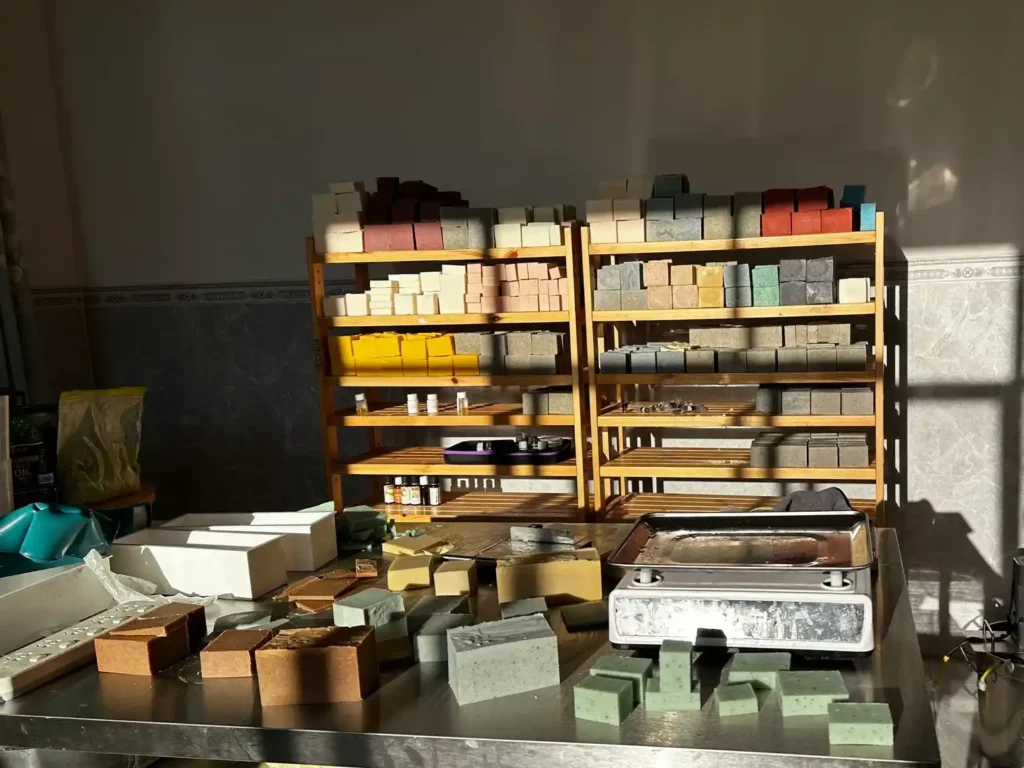
But whether you try my soap or find a local maker near you, the principle is the same: if you can’t pronounce half the ingredients in your body wash, ask yourself why they’re going on your largest organ.
Why This Matters More Than You Think
Here’s the thing nobody talks about: switching to cleaner products isn’t just about avoiding bad things. It’s about remembering that your skin doesn’t need to be managed, medicated, or chemically optimized. It needs to be treated with kindness.
The beauty industry has convinced us that good skincare requires a ten-step routine, ingredients we can’t pronounce, and a lot of money. But the most beautiful, healthy skin I’ve ever seen belonged to people who wash their face with a simple bar of soap and go outside in the morning.
Your skin doesn’t need twenty chemicals. It needs a few good ones — and a little trust in the natural world that’s been taking care of us long before there were bottles.
A quick cheat sheet — because I know that’s helpful:
Ingredient Substitution Guide
| Instead of this | Try this |
|---|---|
| SLS / SLES | Coco-glucoside or decyl glucoside |
| Fragrance / Parfum | Products that list every ingredient |
| Phthalates | Fragrance-free or fully transparent brands |
| Parabens | Potassium sorbate or vitamin E |
| PEGs / -eth ingredients | Simple oils and butters |
| Triclosan | Plain soap, no “antibacterial” label |
| DMDM Hydantoin | Products with shorter, honest shelf lives |