Which Natural Soap for Your Skin Type?
I still remember the bar of soap that made me question everything.
It was gorgeous. Hand-swirled lavender and cream, wrapped in recycled paper with a little hand-drawn leaf. I’d finally done it — traded my drugstore body wash for something natural. I felt so good about that purchase.
Two weeks later my skin was tight, red, and flaking. It had never looked worse — not even when I was using the cheap stuff.
What went wrong?
I’d made the same assumption almost everyone makes when they first switch to natural soap: I thought “natural” was one thing. Safe. Gentle. Good for everyone.
Turns out, it’s not that simple. And if you’ve been through the same thing — bought a pretty bar of natural soap only to watch your skin rebel — you’re not alone. The problem isn’t natural soap. The problem is that no one tells you it’s not one-size-fits-all.
I bought about 20 wrong bars before I figured out what actually works. So let me save you the trouble.
(If you’re still using commercial body wash and wondering what’s in it, here’s what’s actually hiding in that bottle. Once you switch to natural soap, the real question becomes: which one is actually right for YOU?)
Oily Skin
If you have oily skin, I know what you’re thinking: give me the strongest, most cleansing thing you’ve got. I want that squeaky-clean feeling.
I used to think the same way. The tighter my skin felt after washing, the cleaner I thought it was.
Here’s what I eventually learned: that tight feeling isn’t “clean.” It’s your skin saying help. When you strip away all its natural oil, your skin panics and produces even more to compensate. You end up oilier than when you started. It’s a vicious cycle.
What actually works. Look for soaps with clay or charcoal. They absorb excess oil gently, without stripping your skin bare. Blue clay is fantastic for this — it soaks up sebum while leaving your skin’s natural protection intact. Stay away from heavy butters like shea or cocoa in high amounts; they’ll just sit on top and feel greasy.
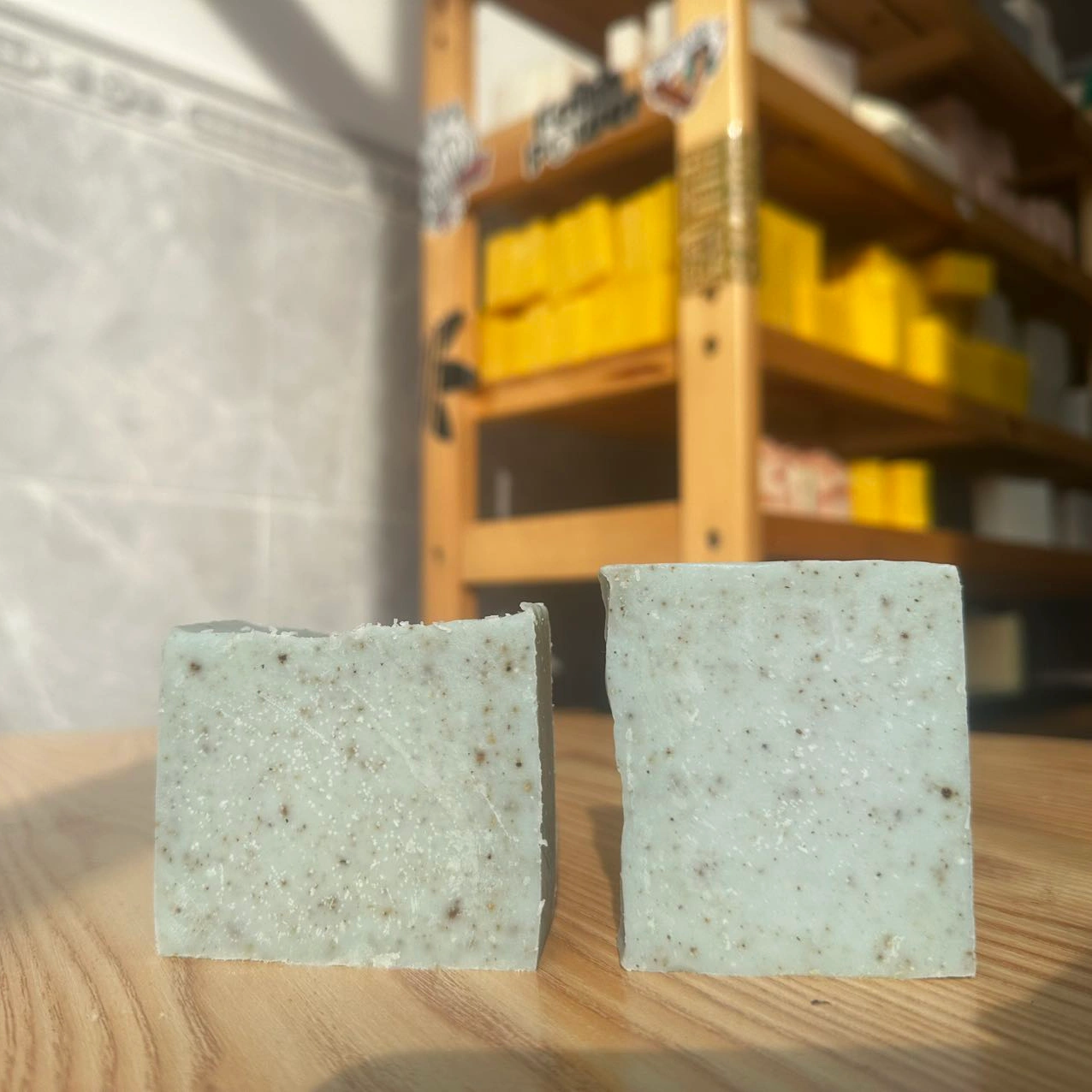
If you want an example of a soap that gets this right: The Black Pepper Blue Clay Soap uses blue clay for oil control and black pepper to wake up circulation. It cleans without triggering that rebound oil production. Your skin stays balanced, not fighting back.
Dry Skin
You are the most likely person to fall into what I call the “natural soap trap.”
It goes like this: you pick up a beautifully packaged bar of natural soap. It smells amazing. You lather up feeling virtuous. And within a week, your skin feels like parchment. You blame natural soap and go right back to your old body wash.
I’ve been there. But here’s the thing — the soap wasn’t the problem. The soap was wrong for your skin.
What actually works. You want soaps that are heavy on nourishment. Think shea butter, olive oil, milk. These ingredients leave a little something behind on your skin instead of taking everything away. A good test: if your skin still feels comfortable 10 minutes after you dry off, you’ve found the right one.
A soap that gets this right. The North African Golden Shea Butter Soap is built on shea butter with a rich formulation that keeps dry skin happy. You might not even need lotion after your shower — that’s how you know it’s working.
Sensitive Skin
Here’s something I wish someone had told me earlier: “natural” does not mean “gentle.”
I know, it sounds backwards. But lots of natural soaps are packed with essential oils, spice powders, and botanical extracts that can wreck sensitive skin just as fast as synthetic fragrances. Lavender and tea tree are some of the worst offenders — they’re natural, but they’re also common irritants.
What actually works. The best soap for sensitive skin is often the one with the shortest ingredient list. Look for simple formulations: soybean oil, pink clay, oatmeal. Make sure it’s fragrance-free, not just “unscented” (they’re different — unscented soaps sometimes use masking fragrances). And avoid coconut oil-heavy bars, which can be too cleansing for reactive skin.
A soap that gets this right. The Pink Clay Soybean Oil Soap is made without coconut oil at all — which is rare in handmade soap. Just soybean oil and pink clay. Simple, gentle, does its job without drama.
Acne-Prone Skin
If you’ve been dealing with acne for a while, you’ve probably tried the harsh stuff. Benzoyl peroxide. Salicylic acid. Things that burn and peel and leave your skin looking clear but feeling raw.
I’ve been there too. And here’s what I found: acne treatments that attack can work in the short term, but they often damage your moisture barrier in the process. Your skin ends up “clear” but fragile — and the breakouts come back because your skin isn’t healthy enough to defend itself.
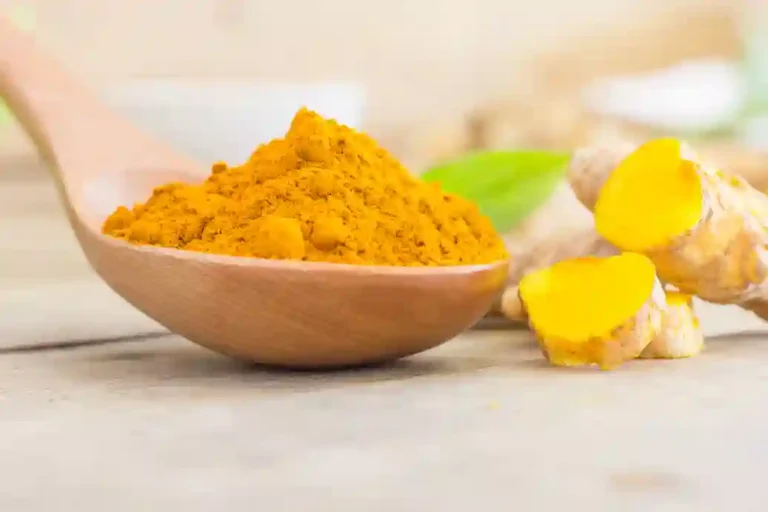
What actually works. Look for botanical ingredients that have been used for centuries to calm inflammation: turmeric, mugwort, charcoal. These work with your skin, not against it. Turmeric is especially powerful — it’s been used in traditional medicine for ages because it fights inflammation and helps skin heal.
A soap that gets this right. The Natural Turmeric Soap uses turmeric sourced from Guangxi, China. It treats breakouts without the tight, stripped feeling you get from chemical treatments. Your skin stays calm while it clears up.
Normal or Combination Skin
If your skin is neither overly oily nor painfully dry, you might think any natural soap will work. And honestly? You’re mostly right.
But “mostly right” can still lead to “slightly wrong.” A soap that’s too stripping will eventually dry you out. A soap that’s too heavy will feel greasy over time. You just need something balanced.
What actually works. A moderate bar that isn’t extreme in any direction. Not dominated by coconut oil, not dominated by heavy butters. And yes — you can use the same bar for your face and body, as long as it’s gentle enough. Just avoid anything with rough exfoliants on your face; save those for your body.
A soap that gets this right. The Versatile Coconut Oil Base Soap is exactly what it sounds like — a simple, balanced bar that works for face, body, and even hair if you’re traveling. Nothing fancy, just right.
Conclusion
Look, your skin isn’t difficult. It’s just been getting the wrong soap.
The beauty industry wants you to think you need a cabinet full of products to manage “problem” skin. But most of the time, what your skin actually needs is simpler than that. It needs a soap that respects its natural balance — nothing more, nothing less.
Start with your skin type. Find a soap that matches. And give it a couple of weeks — your skin might surprise you.