What Is Mugwort Soap? 3 Surprising Benefits for Your Skin
Mugwort is having a moment in natural skincare. You’ve probably seen it in Korean beauty products — face masks, toners, serums, all claiming to calm and soothe your skin.
But in China, mugwort never had a “moment.” It’s just always been there. My grandmother used it. Her grandmother used it. We dry the leaves, grind them into powder, and store them in jars for daily use — burning a bundle to purify the air, boiling a handful for a bath to calm acne and inflammation.
Bringing mugwort into soap was the most natural thing in the world. Here’s what it does — and why you might want it in your shower.
1. What Mugwort Does for Your Skin
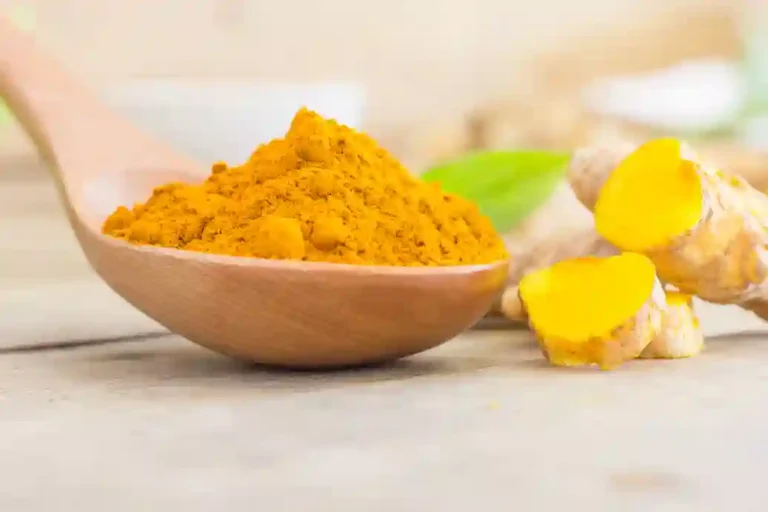
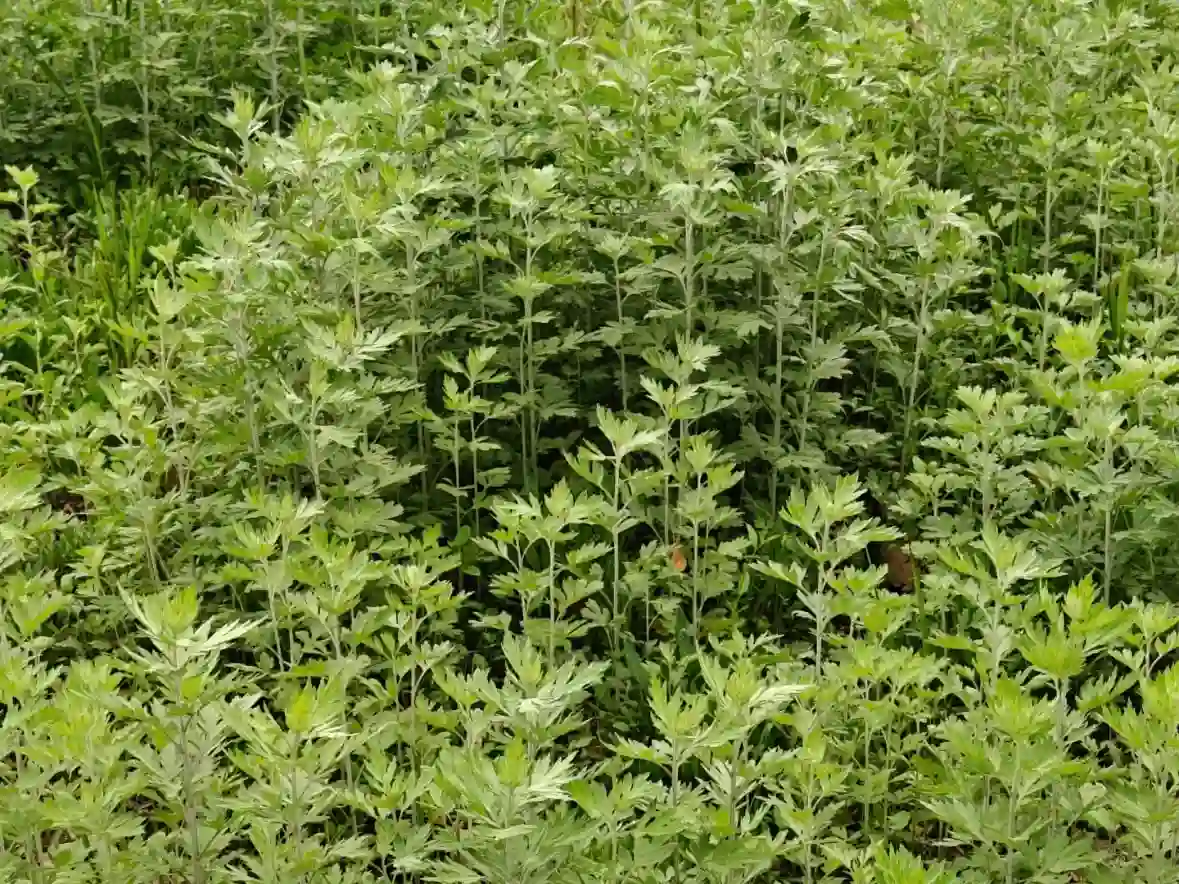
Mugwort (Artemisia princeps, or 艾草 in Chinese) has been used in traditional Chinese medicine for centuries. Its active compounds — volatile oils and flavonoids — give it genuine anti-inflammatory, antibacterial, and soothing properties.
In skincare terms, that means three things:
- Calms redness — it reduces inflammation without harsh chemicals
- Helps acne — antibacterial + soothing, no stripping
- Relieves irritation — itching, sensitivity, reactive skin
It’s not a trendy extract added for labeling. It’s a real medicinal herb that’s been used for this for centuries.
2. Two Ways I Make It
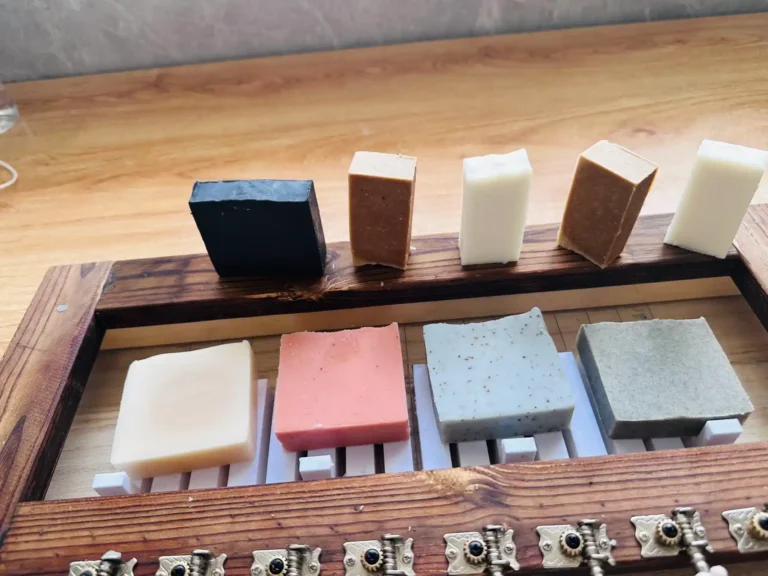
I actually make two versions of mugwort soap. Same base ingredients — coconut oil from Hainan, palm oil, olive oil, plus shea butter, flaxseed oil, almond oil, and jojoba. Just like all my soaps, it’s traditional cold-process and needs a full 2 months to cure before it’s gentle enough for your skin.
No fragrance oils. No artificial colors. The only scent is a faint herbal smell — the herb itself.
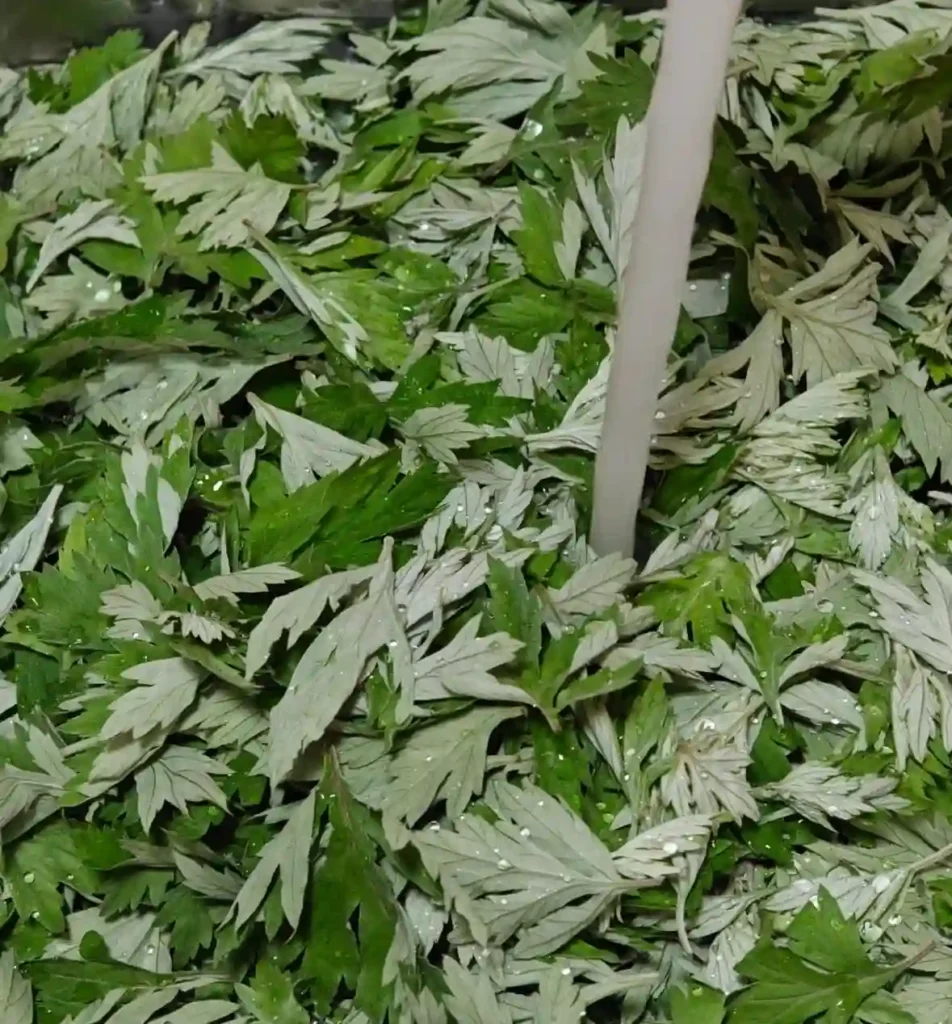
The difference is how the mugwort gets in.
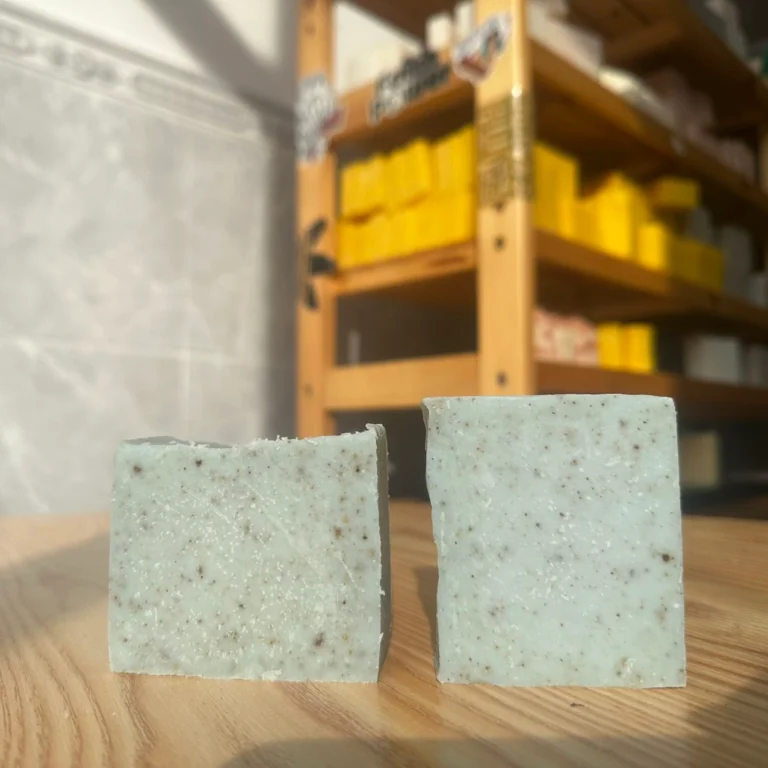
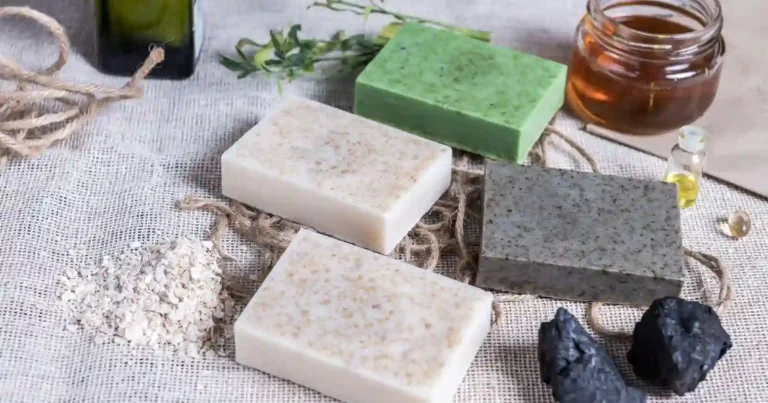
Natural Mugwort Soap — I add mugwort powder at the very last step of mixing, so the fine herb particles are suspended throughout the bar. You get the full herb on your skin every time you wash.
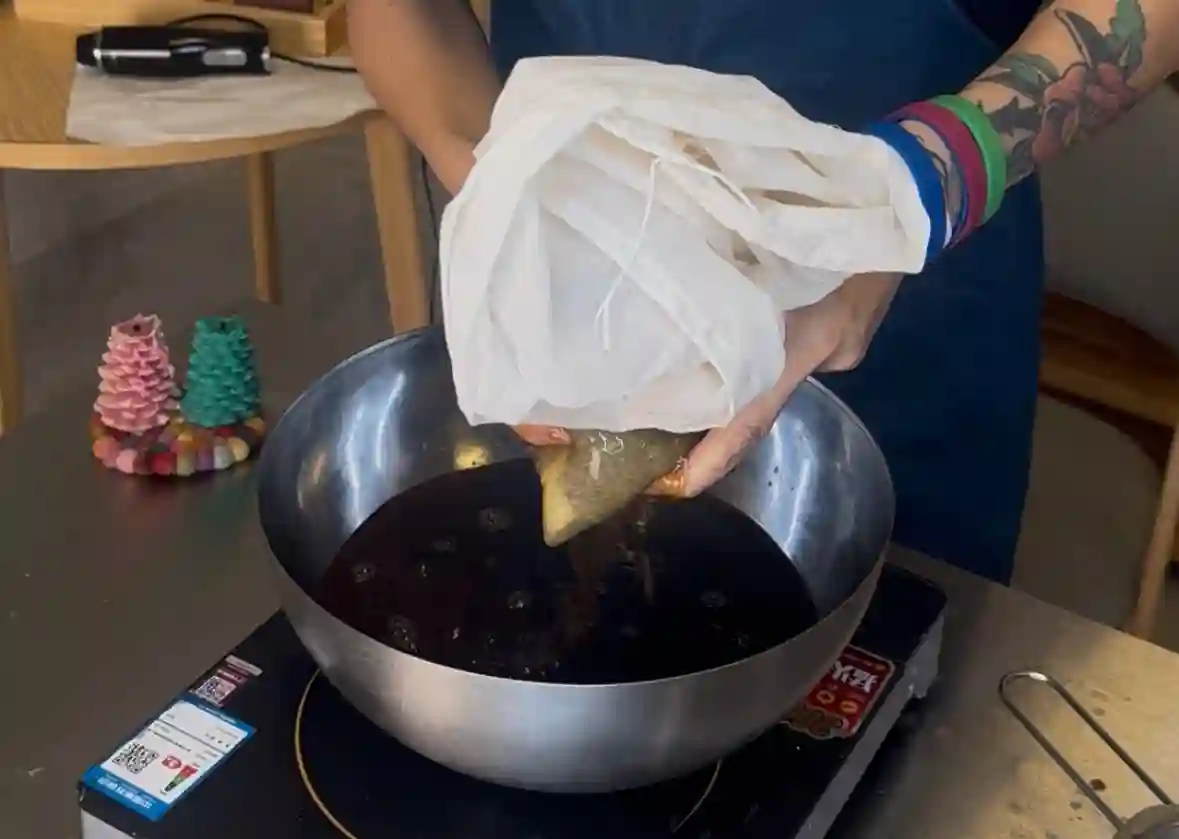
Herbal Infused Soap — I boil fresh mugwort into a concentrated tea (煎煮液), let it cool, and use that tea in place of water in the recipe. The result is a different kind of mugwort experience — gentler, smoother, less textured. It’s the same herb, prepared differently.
Same raw material. Different process. You’d be surprised how different they feel.
3. Who Should Try Mugwort Soap?
Mugwort soap is especially helpful if:
- Your skin is red or inflamed and nothing seems to calm it
- You deal with body acne or back breakouts and want something that treats without stripping
- Your skin reacts to everything — mugwort is naturally gentle and well-tolerated
- You’re curious about Chinese herbal ingredients and want to try something authentic
If you’re already using natural soap for your skin type but still dealing with redness or irritation, mugwort might be the missing piece.
The Simple Truth
Mugwort isn’t a K-beauty trend that will fade next year. It’s a real medicinal herb with centuries of use behind it. And when you use it in properly cured cold-process soap, you get those benefits in the simplest form possible.
No complex routine. No 12-step regimen. Just a herb your grandmother would recognize, in a bar of soap made by hand in the mountains of Yunnan.
You can find both versions of mugwort soap here — and if you’re not sure which one to try, drop me a message. I’ll help you decide.